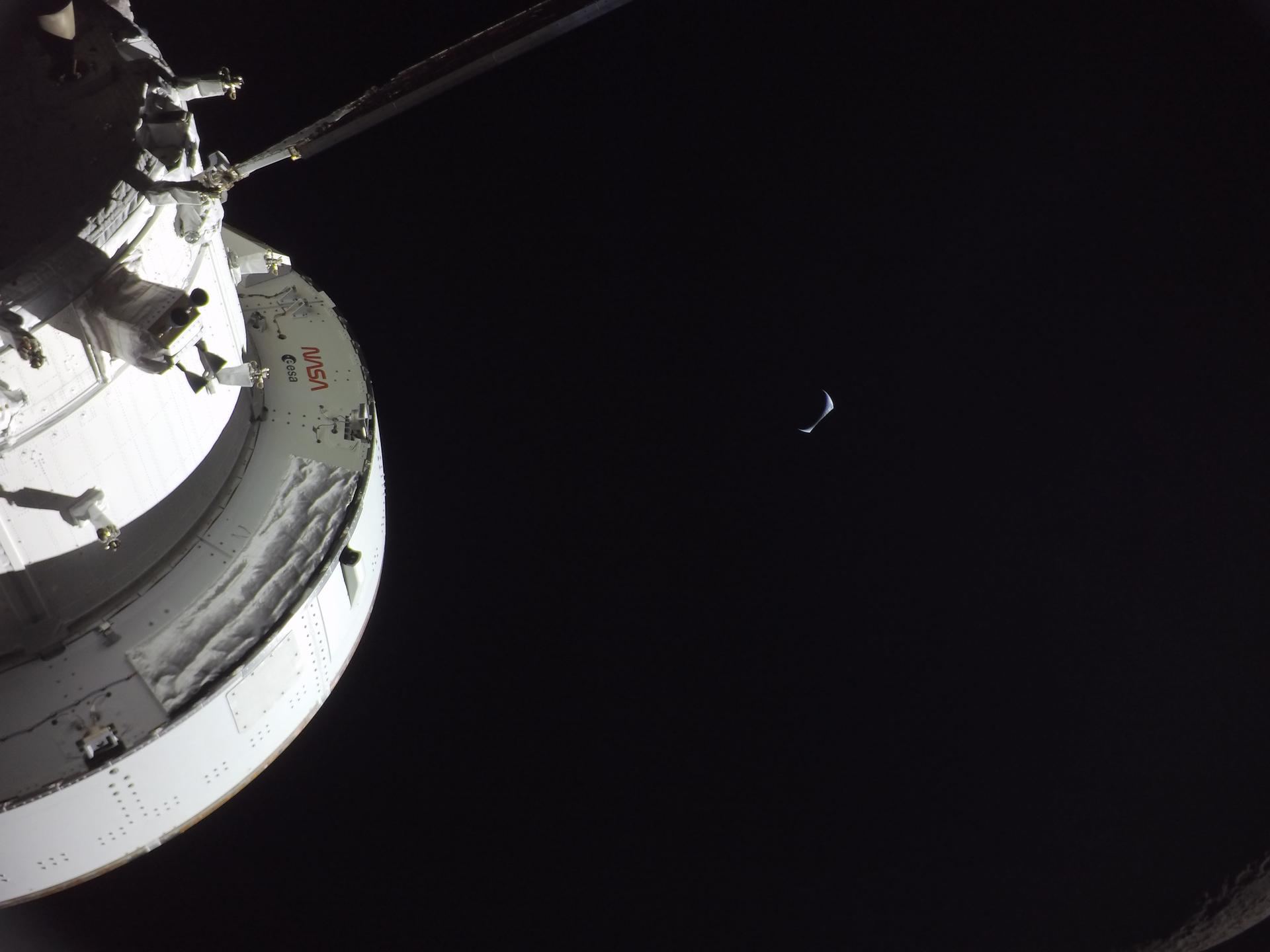
A thin crescent Earth rising beyond the gray, cratered limb of the Moon, seen from the Orion spacecraft
Planets, moons and the star at the centre

Tour Our Solar System

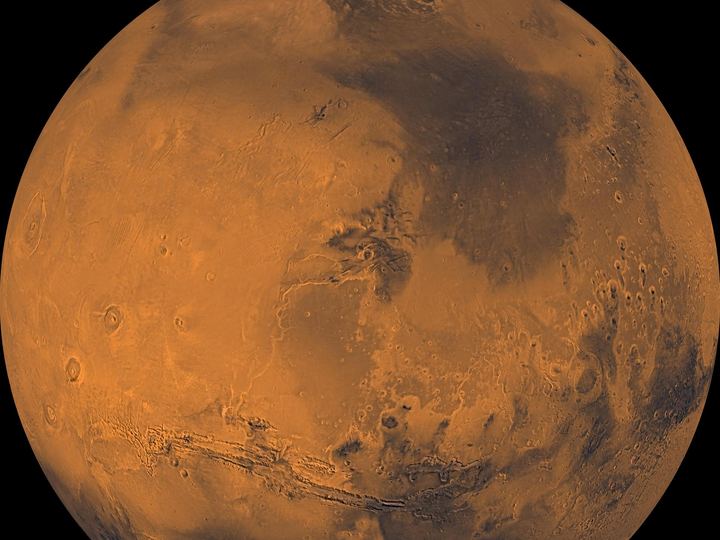
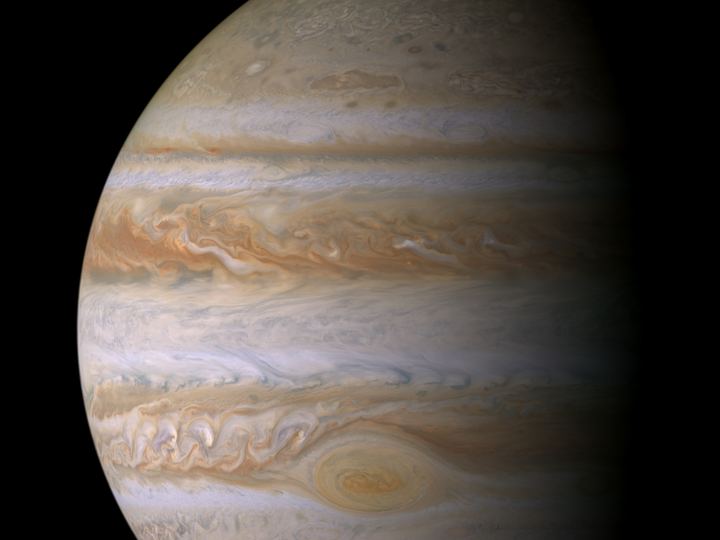
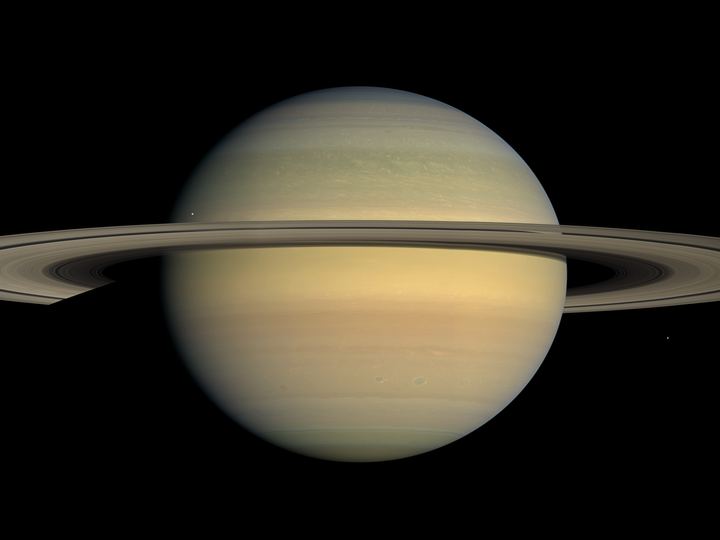
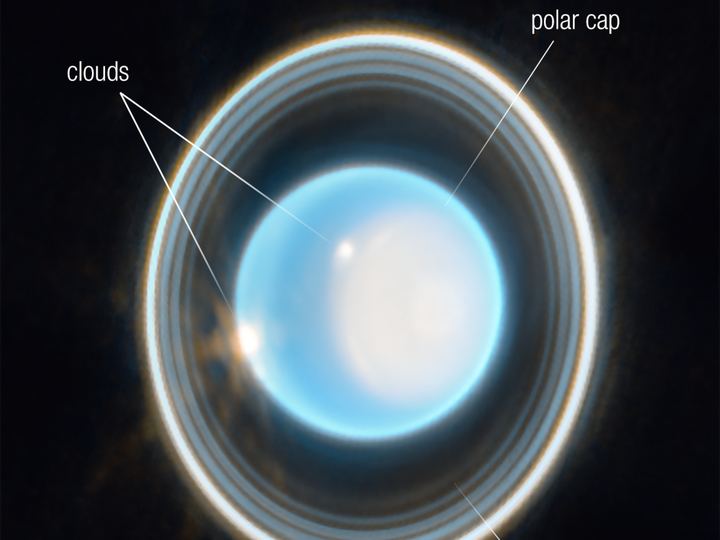
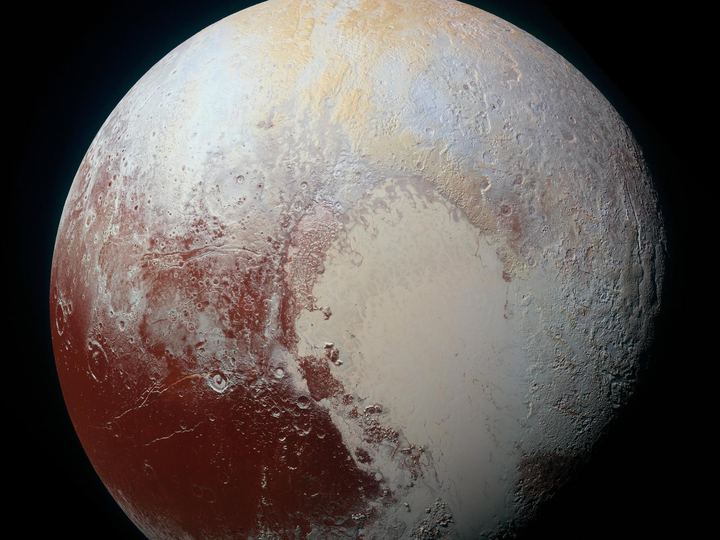
Ride along with real NASA footage, crisp facts and vivid stories about the Sun, the eight planets, our Moon and Pluto. Choose a world and launch.

Photo: Earthrise seen by Artemis II, April 2026: NASA, Public domain
Explore

11 deep dives

Planetinio is a field guide to our cosmic neighbourhood, from the blazing Sun to icy Pluto. Each page pairs real NASA imagery and video with plain-language facts and stories: how these worlds formed, what it would feel like to stand on them and the spacecraft that travelled billions of kilometres to find out. It is written for stargazers of every age who still look up and wonder.
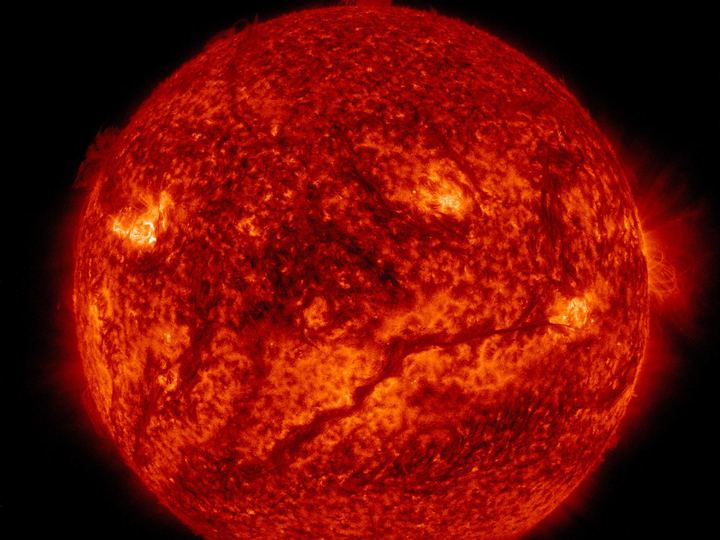
Watch

Planetinio Shorts

Quick, accurate, under a minute. Every Short is original and made only for this channel.

YouTube @Planetinio
Channel launching soon. Subscribe on the newsletter to hear first.
Get notified
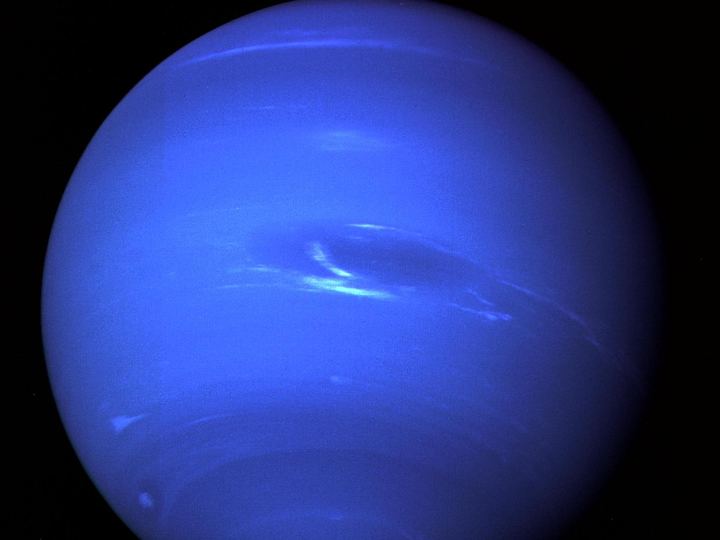
Neptune has the fastest winds in the solar systemPhotos: Neptune Full.jpg - NASA (Public domain) via Wikimedia Commons | Neptune - Voyager 2 (29347980845) flatten crop.jpg - NASA / JPL / Voyager-ISS / Aster Cowart (Public domain) via Wikimedia Commons | Great Dark Spot (cropped).jpg - NASA (Public domain) via Wikimedia Commons | PIA00048 Great Dark Spot and Scooter (cropped).jpg - NASA/JPL (Public domain) via Wikimedia Commons | PIA00063 Neptune - True
Sunsets on Mars are bluePhotos: Carbon dioxide clouds over Mont Mercou, Curiosity Sol 3063 (53100058892).jpg - semeion.photo Credit: NASA/JPL-Caltech/MSSS/Simeon Schmauß (CC BY 2.0) via Wikimedia Commons | Martian-Sunset-O-de-Goursac-Curiosity-2013.jpg - NASA/JPL/MSSS; processings and mosaic: Olivier de Goursac (f (CC BY-SA 3.0) via Wikimedia Commons | Iridescent clouds over Gale Crater (enhanced color) (54302292059).jpg - semei
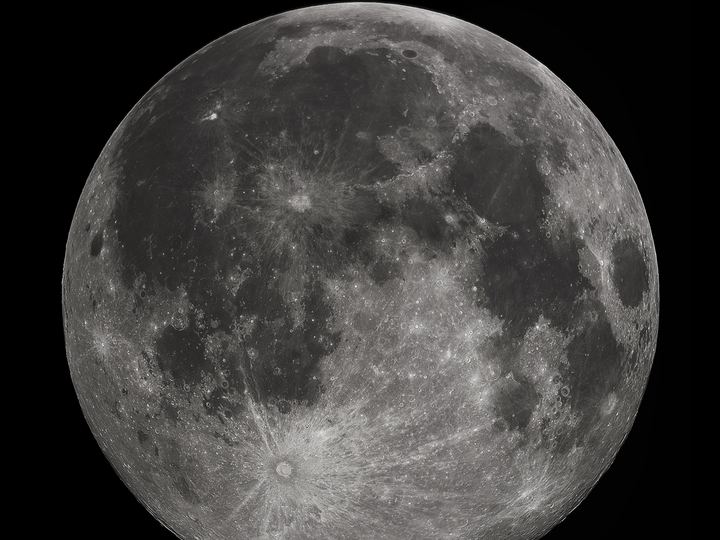
The Moon is slowly running away from EarthPhotos: Apollo 11 Lunar Laser Ranging Experiment.jpg - NASA (Public domain) via Wikimedia Commons | Laser Ranging Retro-Reflector, Apollo (NASM2020-00367).jpg - Smithsonian National Air and Space Museum/Mark Avino (CC0) via Wikimedia Commons | Lunar Laser Ranging at the Observatoire de la Côte d'Azur DSC 0729 (10782460465).jpg - Melirius (CC BY-SA 2.0) via Wikimedia Commons | ALSEP AS14-67-9386 (cropped).
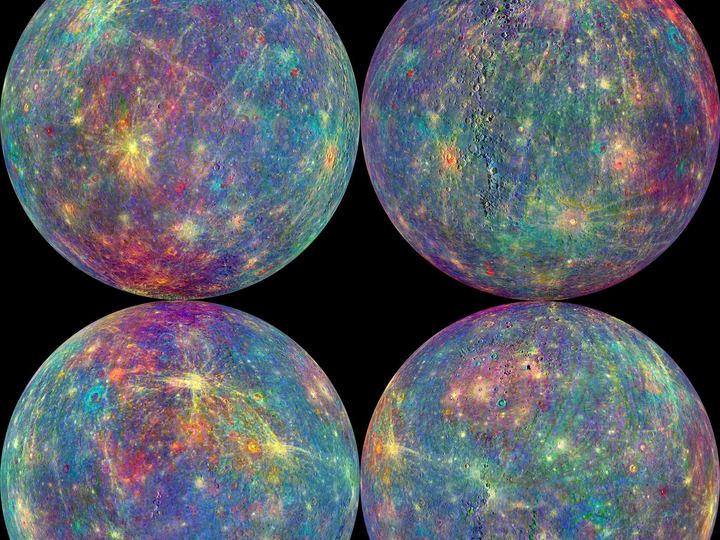
The planet closest to the Sun has ice on itPhotos: MESSENGER first photo of unseen side of mercury.jpg - NASA/Johns Hopkins University Applied Physics Laboratory/Car (Public domain) via Wikimedia Commons | Mercury in color - Prockter07 centered.jpg - NASA/Johns Hopkins University Applied Physics Laboratory/Car (Public domain) via Wikimedia Commons | Mercury in color - Prockter07-edit1.jpg - National Aeronautics and Space Administration/Johns Hopki
Uranus spins on its side like a rolling ballPhotos: Uranus from Voyager 2.jpg - NASA (Public domain) via Wikimedia Commons | Uranus2.jpg - NASA/JPL-Caltech (Public domain) via Wikimedia Commons | Uranus rings and moons.jpg - Erich Karkoschka (University of Arizona) and NASA/ESA (Public domain) via Wikimedia Commons | Hubble Observes the Planet Uranus (opo9450b).jpg - Kenneth Seidelmann, U.S. Naval Observatory,and NASA/ESA (Public domain) via Wikime
Shop

The Planetinio collection

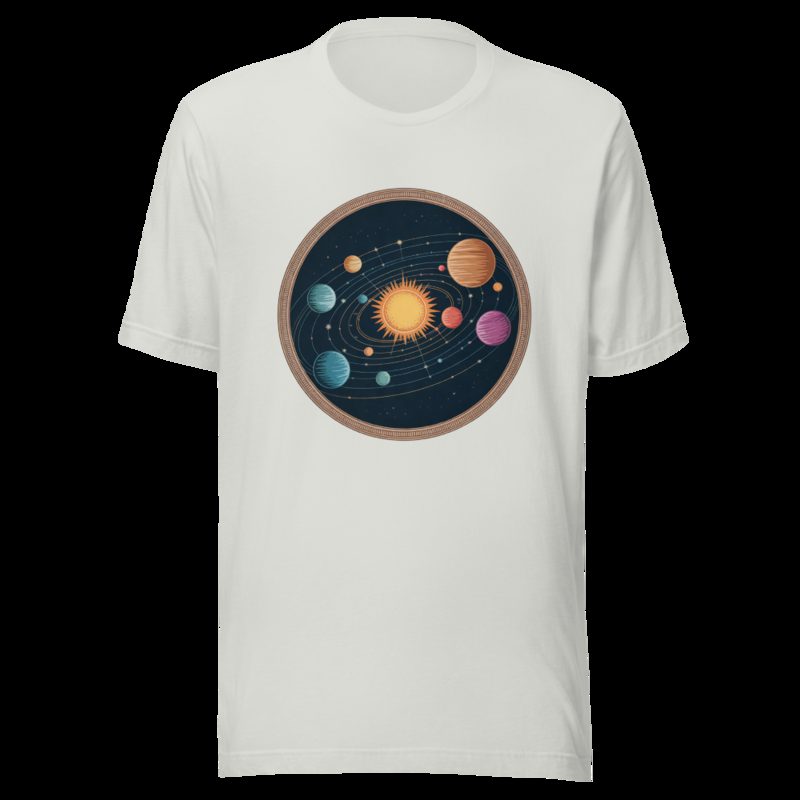
Tees and hoodies in the Planetinio colors, printed to order in the USA. Use code FIRST15 from the newsletter for 15% off your first order.

Newsletter

Tonight's sky, monthly

One short email at the start of each month: the Moon phases, the meteor showers worth staying up for and which planets are on show, plus new pages and Shorts.